Jan 18, 2026
Visual Literacy as a Design Skill
An exploration of how a strong visual library is formed, why intuition is the result of accumulated references, and how consistent visual analysis shapes professional design decision-making.
Visual literacy
Design thinking
Inspiration
Strategic Foundation
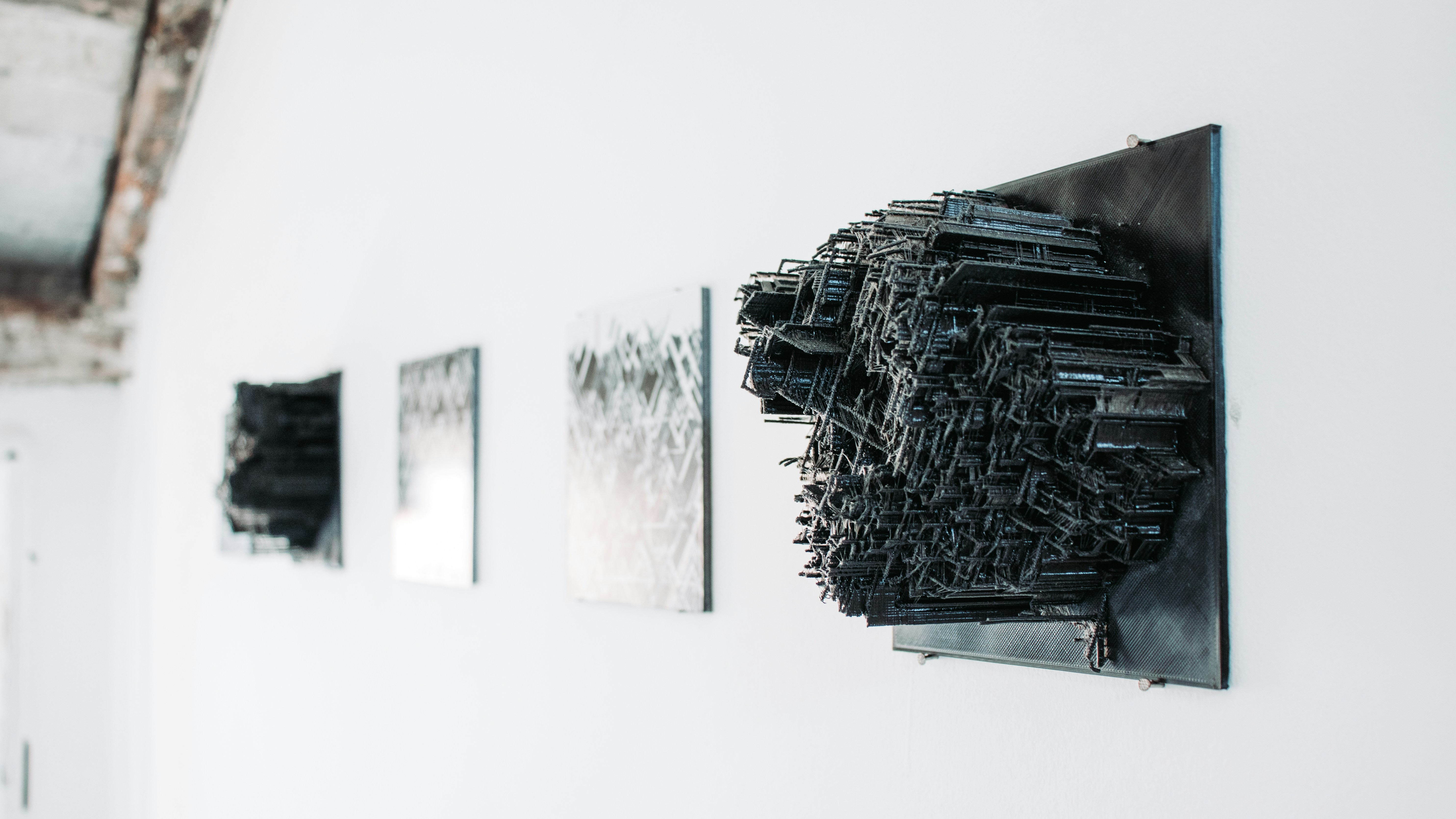
Beyond personal taste: why design intuition is built from accumulated visual experience, repeated exposure, and consciously processed references rather than innate talent alone.
Good taste is often seen as something innate — an almost instinctive sense that some designers seem to have while others don’t. This idea makes intuition feel mysterious and inaccessible, as if it appears fully formed at some point in a person’s career. In reality, intuition in design rarely exists on its own. It develops alongside experience and grows quietly through repeated exposure to visual work over time. What feels like instinct is usually the result of having seen enough examples to recognise patterns, structures, and decisions without consciously analysing them each time. The eye begins to anticipate outcomes because it has already encountered similar solutions before.
Creative judgment works like a growing internal collection of references rather than a sudden creative spark. When ideas feel limited or when outcomes start to look familiar and generic, the issue is rarely a lack of imagination or effort. More often, it comes down to the quality, diversity, and depth of visual input. Design tends to reflect what surrounds it. When most references come from repetitive, trend-driven, or average sources, the work naturally echoes those same patterns. Without a strong visual foundation, even well-executed ideas struggle to move beyond what is already expected.
Visual literacy starts with a subtle but important shift in how looking happens. Passive consumption gives way to deliberate attention. Strong visual references are no longer something to search for only when feeling stuck or uncertain, but something to engage with regularly. Over time, this habit builds a clear internal sense of proportion, hierarchy, balance, and intent. This internal benchmark does not dictate solutions, but quietly guides decisions, making it easier to recognise when something feels resolved, when it needs refinement, and when it simply doesn’t work.
The Analysis Process
The Analysis Process
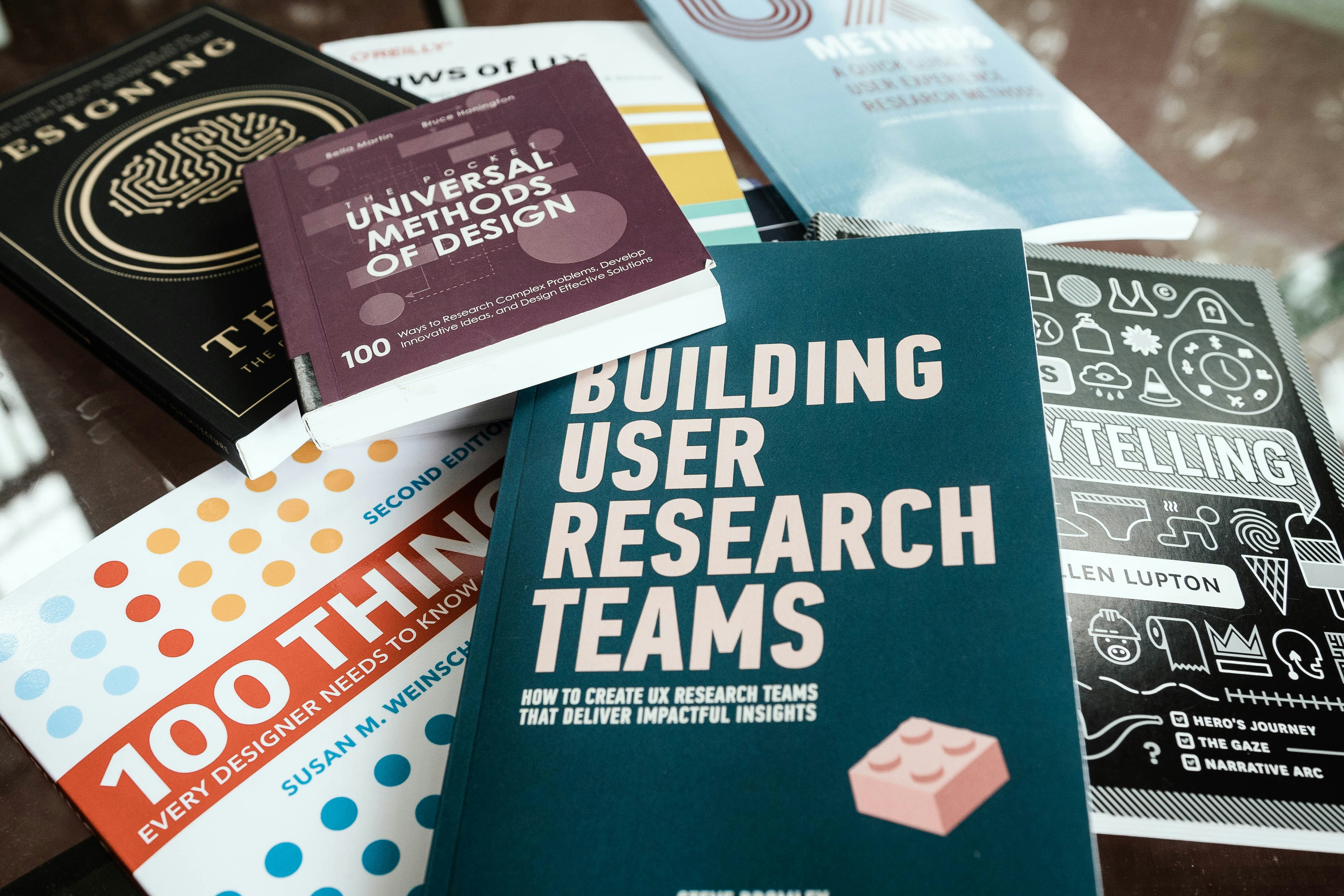
From passive viewing to structured visual understanding through analysis, deconstruction, and reconstruction that reveal how composition, hierarchy, and systems operate beneath surface aesthetics.
The formation of a visual library is not a casual side effect of scrolling through images, but the result of focused and repeated mental effort. Simply being surrounded by visual material or regularly encountering good work does not automatically lead to stronger judgment. Surface-level familiarity may create recognition, but it rarely produces understanding. Without slowing down and looking closer, even high-quality design can remain impressive only at a glance, while the thinking behind it stays invisible. Real progress begins when observation shifts from passive viewing to intentional analysis, where design is no longer consumed as a finished image but explored as a series of choices.
Effective work starts to reveal itself through this kind of attention. Typographic contrast, spatial rhythm, colour relationships, grid structure, and narrative flow each contribute to the overall result in specific ways. When these elements are examined individually, their role becomes clearer and their interaction more visible. Noticing how hierarchy guides attention, how spacing creates calm or tension, or how colour supports structure helps build a deeper sense of how design functions. Over time, articulating why certain decisions feel right — even in simple terms — turns visual appreciation into practical understanding that can be applied elsewhere.
Reconstruction reinforces this understanding through direct engagement. Rebuilding existing interfaces, layouts, or compositions exposes decisions that are easy to miss at first glance. Spacing ratios, alignment precision, and subtle typographic adjustments often reveal themselves only when the work is recreated from the ground up. What once felt intuitive becomes concrete. With repetition, these details start to register more quickly, building visual memory and confidence. Complex systems become easier to recognise, interpret, and adapt, allowing design decisions to feel more grounded and less tentative over time.

Practical Training
Practical Training
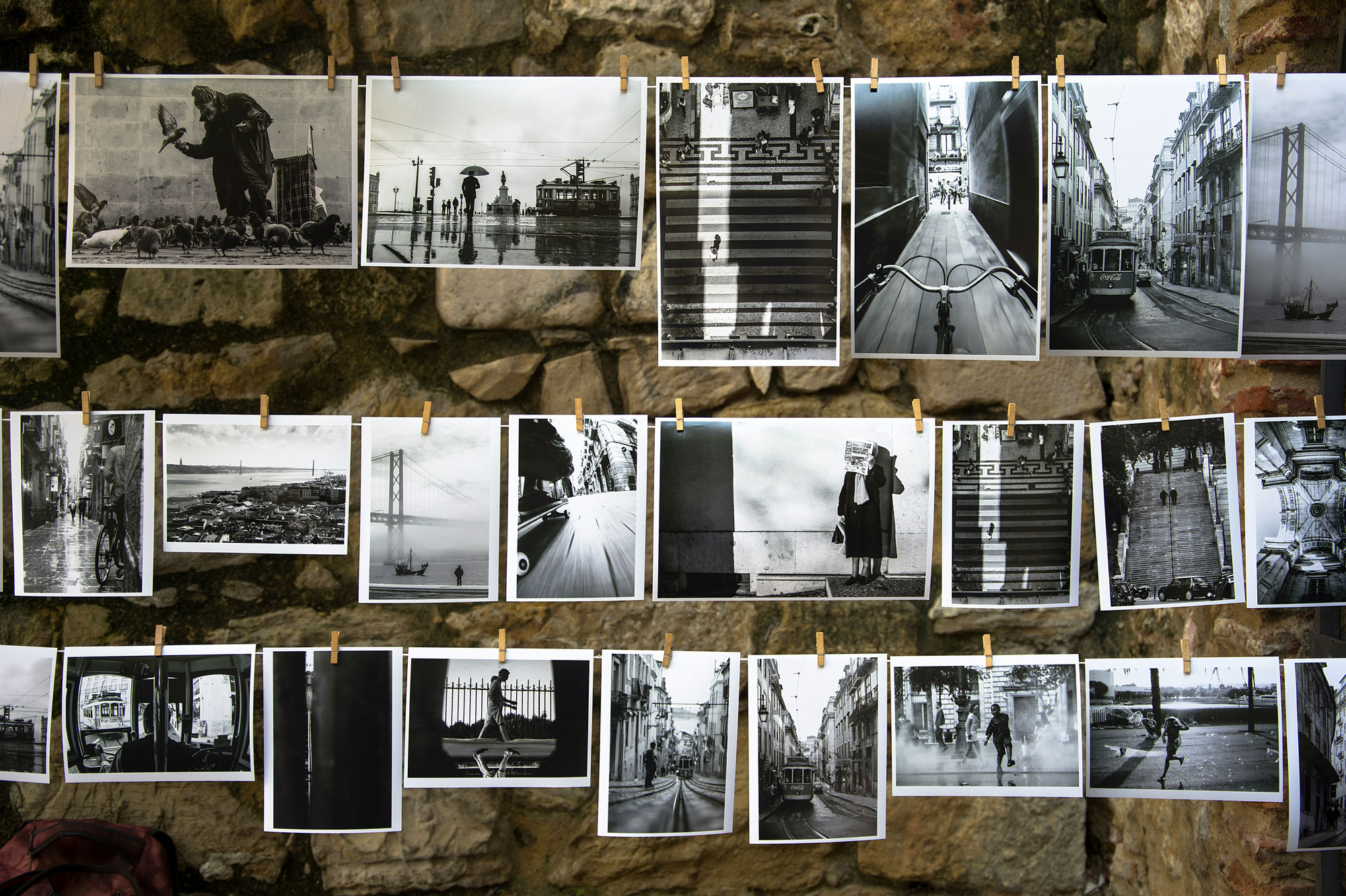
Concrete practices that strengthen visual literacy through everyday observation, intentional repetition, critical comparison, and the steady building of a personal reference system over time.
Visual literacy develops through sustained, intentional exposure and repetition. It is not the result of isolated moments of inspiration, but of a long-term process in which visual material is observed, compared, questioned, and retained. Over time, recurring structures, patterns, and decisions begin to form a stable internal reference, allowing visual judgment to operate with increasing clarity and confidence. The practices outlined below represent a practical framework for strengthening this sensitivity beyond theory, emphasising active engagement over passive consumption.
Observing beyond design platforms: Strong visual references are not limited to digital design galleries or contemporary interface work. Cinema, exhibition design, architecture, editorial layouts, photography, and fine art operate through the same foundational principles of composition, rhythm, hierarchy, and narrative. Films with deliberate visual direction, well-curated exhibitions, and thoughtfully designed physical environments expand visual perception beyond interface-driven trends, introducing spatial logic, pacing, and atmosphere that rarely emerge from screen-based work alone.
Recreating high-quality work for learning: Repetition through reconstruction accelerates visual understanding by shifting focus from appearance to structure. Rebuilding strong design work — interfaces, posters, layouts, or typographic systems — exposes decisions that are often invisible at first glance: spacing logic, grid tension, alignment precision, and micro-adjustments. This practice transforms observation into embodied knowledge, reinforcing visual judgment through direct engagement rather than imitation at the surface level.
Actively evaluating what works and what fails: Visual literacy sharpens through comparison and critical contrast. Strong examples clarify effective solutions, while weak or confusing design reveals recurring problems such as unclear hierarchy, insufficient contrast, visual noise, or lack of focus. Identifying and naming these issues replaces vague aesthetic reactions with structured judgment, strengthening the ability to assess quality independently of trend or personal preference.
Building a curated reference base: Collecting visual material becomes effective only when supported by categorisation and reflection. Organising references by problem-solving patterns — navigation systems, typographic structures, layout strategies, motion principles, or tonal approaches — transforms inspiration into a functional resource. Over time, this curated archive evolves into a personal visual database, enabling faster recall of proven solutions and more consistent decision-making across projects.
Developing visual awareness in everyday contexts: Visual training extends into daily life through conscious observation of signage, packaging, urban environments, printed matter, and digital products outside curated design discourse. Attention to how information is structured, where focus is directed, and why certain solutions feel intuitive strengthens visual judgment in real-world conditions, where constraints are often more complex and less idealised.
Studying historical and non-contemporary work: Engagement with historical design and pre-digital visual systems deepens visual literacy by revealing principles that persist beyond technological change. Modernist print, early digital interfaces, editorial traditions, and architectural movements offer insight into durable visual logic, helping distinguish long-lasting structure from short-lived stylistic fashion.
Articulating visual observations in language: Translating visual impressions into written or verbal form strengthens analytical clarity. Briefly articulating why a design decision works or fails forces implicit reactions to become explicit reasoning. Over time, this practice sharpens both visual judgment and the ability to communicate design decisions with precision and confidence.
Consistency and Professional Growth
Consistency and Professional Growth
How repetition shapes visual judgment over time, gradually raising standards, accelerating decision-making, and turning accumulated experience into long-term professional value in practice.
Visual literacy does not grow from rare moments of inspiration or sudden creative breakthroughs. It builds slowly, through steady accumulation and regular contact with visual work. Short, consistent sessions of observation and analysis tend to be far more effective than occasional deep dives driven by urgency or frustration. Over time, repetition begins to shape perception. Patterns become easier to recognise, decisions feel less random, and visual judgment stabilises without deliberate effort. The eye starts to notice relationships, spacing, and balance almost automatically.
As exposure accumulates, sensitivity to quality increases in subtle but meaningful ways. Weak hierarchy, unresolved spacing, or incoherent systems become difficult to ignore, even outside active design work. What once felt acceptable begins to feel unfinished or careless. This heightened awareness does not come from rules or theory, but from repeated contact with strong visual examples. Gradually, internal expectations shift, recalibrating what feels resolved, intentional, and worth pursuing in practice. Over time, this refinement leads to clear practical advantages. A well-developed visual library speeds up decision-making by narrowing the field early on. Instead of exploring countless directions that lead nowhere, the process naturally moves toward solutions that already feel structurally sound and visually coherent. This focus reduces iteration fatigue and makes design work feel more intentional rather than exploratory for its own sake.
At a broader level, visual literacy shapes professional positioning. Designers whose judgment is informed by diverse, high-quality references tend to work beyond local trends and short-lived aesthetics. Their output carries a sense of depth and consistency that aligns more closely with global standards. This often leads to more complex projects, higher expectations, and more demanding clients. In that sense, visual literacy functions as a long-term investment — one that grows quietly over time through consistency, clarity, and restraint, rather than through visible effort or constant self-promotion.


FAQ
FAQ
01
How does the process work?
02
How much does it cost?
03
How will we communicate?
04
Will I receive all the files and rights?
05
Can the project be completed urgently?
06
Do you work internationally?
07
What if I’m not satisfied with the result?
08
Do you provide support after the project is finished?
01
How does the process work?
02
How much does it cost?
03
How will we communicate?
04
Will I receive all the files and rights?
05
Can the project be completed urgently?
06
Do you work internationally?
07
What if I’m not satisfied with the result?
08
Do you provide support after the project is finished?
Jan 18, 2026
Visual Literacy as a Design Skill
An exploration of how a strong visual library is formed, why intuition is the result of accumulated references, and how consistent visual analysis shapes professional design decision-making.
Visual literacy
Design thinking
Inspiration
Strategic Foundation
Beyond personal taste: why design intuition is built from accumulated visual experience, repeated exposure, and consciously processed references rather than innate talent alone.
Good taste is often seen as something innate — an almost instinctive sense that some designers seem to have while others don’t. This idea makes intuition feel mysterious and inaccessible, as if it appears fully formed at some point in a person’s career. In reality, intuition in design rarely exists on its own. It develops alongside experience and grows quietly through repeated exposure to visual work over time. What feels like instinct is usually the result of having seen enough examples to recognise patterns, structures, and decisions without consciously analysing them each time. The eye begins to anticipate outcomes because it has already encountered similar solutions before.
Creative judgment works like a growing internal collection of references rather than a sudden creative spark. When ideas feel limited or when outcomes start to look familiar and generic, the issue is rarely a lack of imagination or effort. More often, it comes down to the quality, diversity, and depth of visual input. Design tends to reflect what surrounds it. When most references come from repetitive, trend-driven, or average sources, the work naturally echoes those same patterns. Without a strong visual foundation, even well-executed ideas struggle to move beyond what is already expected.
Visual literacy starts with a subtle but important shift in how looking happens. Passive consumption gives way to deliberate attention. Strong visual references are no longer something to search for only when feeling stuck or uncertain, but something to engage with regularly. Over time, this habit builds a clear internal sense of proportion, hierarchy, balance, and intent. This internal benchmark does not dictate solutions, but quietly guides decisions, making it easier to recognise when something feels resolved, when it needs refinement, and when it simply doesn’t work.
The Analysis Process
From passive viewing to structured visual understanding through analysis, deconstruction, and reconstruction that reveal how composition, hierarchy, and systems operate beneath surface aesthetics.
The formation of a visual library is not a casual side effect of scrolling through images, but the result of focused and repeated mental effort. Simply being surrounded by visual material or regularly encountering good work does not automatically lead to stronger judgment. Surface-level familiarity may create recognition, but it rarely produces understanding. Without slowing down and looking closer, even high-quality design can remain impressive only at a glance, while the thinking behind it stays invisible. Real progress begins when observation shifts from passive viewing to intentional analysis, where design is no longer consumed as a finished image but explored as a series of choices.
Effective work starts to reveal itself through this kind of attention. Typographic contrast, spatial rhythm, colour relationships, grid structure, and narrative flow each contribute to the overall result in specific ways. When these elements are examined individually, their role becomes clearer and their interaction more visible. Noticing how hierarchy guides attention, how spacing creates calm or tension, or how colour supports structure helps build a deeper sense of how design functions. Over time, articulating why certain decisions feel right — even in simple terms — turns visual appreciation into practical understanding that can be applied elsewhere.
Reconstruction reinforces this understanding through direct engagement. Rebuilding existing interfaces, layouts, or compositions exposes decisions that are easy to miss at first glance. Spacing ratios, alignment precision, and subtle typographic adjustments often reveal themselves only when the work is recreated from the ground up. What once felt intuitive becomes concrete. With repetition, these details start to register more quickly, building visual memory and confidence. Complex systems become easier to recognise, interpret, and adapt, allowing design decisions to feel more grounded and less tentative over time.
Practical Training
Concrete practices that strengthen visual literacy through everyday observation, intentional repetition, critical comparison, and the steady building of a personal reference system over time.
Visual literacy develops through sustained, intentional exposure and repetition. It is not the result of isolated moments of inspiration, but of a long-term process in which visual material is observed, compared, questioned, and retained. Over time, recurring structures, patterns, and decisions begin to form a stable internal reference, allowing visual judgment to operate with increasing clarity and confidence. The practices outlined below represent a practical framework for strengthening this sensitivity beyond theory, emphasising active engagement over passive consumption.
Observing beyond design platforms: Strong visual references are not limited to digital design galleries or contemporary interface work. Cinema, exhibition design, architecture, editorial layouts, photography, and fine art operate through the same foundational principles of composition, rhythm, hierarchy, and narrative. Films with deliberate visual direction, well-curated exhibitions, and thoughtfully designed physical environments expand visual perception beyond interface-driven trends, introducing spatial logic, pacing, and atmosphere that rarely emerge from screen-based work alone.
Recreating high-quality work for learning: Repetition through reconstruction accelerates visual understanding by shifting focus from appearance to structure. Rebuilding strong design work — interfaces, posters, layouts, or typographic systems — exposes decisions that are often invisible at first glance: spacing logic, grid tension, alignment precision, and micro-adjustments. This practice transforms observation into embodied knowledge, reinforcing visual judgment through direct engagement rather than imitation at the surface level.
Actively evaluating what works and what fails: Visual literacy sharpens through comparison and critical contrast. Strong examples clarify effective solutions, while weak or confusing design reveals recurring problems such as unclear hierarchy, insufficient contrast, visual noise, or lack of focus. Identifying and naming these issues replaces vague aesthetic reactions with structured judgment, strengthening the ability to assess quality independently of trend or personal preference.
Building a curated reference base: Collecting visual material becomes effective only when supported by categorisation and reflection. Organising references by problem-solving patterns — navigation systems, typographic structures, layout strategies, motion principles, or tonal approaches — transforms inspiration into a functional resource. Over time, this curated archive evolves into a personal visual database, enabling faster recall of proven solutions and more consistent decision-making across projects.
Developing visual awareness in everyday contexts: Visual training extends into daily life through conscious observation of signage, packaging, urban environments, printed matter, and digital products outside curated design discourse. Attention to how information is structured, where focus is directed, and why certain solutions feel intuitive strengthens visual judgment in real-world conditions, where constraints are often more complex and less idealised.
Studying historical and non-contemporary work: Engagement with historical design and pre-digital visual systems deepens visual literacy by revealing principles that persist beyond technological change. Modernist print, early digital interfaces, editorial traditions, and architectural movements offer insight into durable visual logic, helping distinguish long-lasting structure from short-lived stylistic fashion.
Articulating visual observations in language: Translating visual impressions into written or verbal form strengthens analytical clarity. Briefly articulating why a design decision works or fails forces implicit reactions to become explicit reasoning. Over time, this practice sharpens both visual judgment and the ability to communicate design decisions with precision and confidence.
Consistency and Professional Growth
How repetition shapes visual judgment over time, gradually raising standards, accelerating decision-making, and turning accumulated experience into long-term professional value in practice.
Visual literacy does not grow from rare moments of inspiration or sudden creative breakthroughs. It builds slowly, through steady accumulation and regular contact with visual work. Short, consistent sessions of observation and analysis tend to be far more effective than occasional deep dives driven by urgency or frustration. Over time, repetition begins to shape perception. Patterns become easier to recognise, decisions feel less random, and visual judgment stabilises without deliberate effort. The eye starts to notice relationships, spacing, and balance almost automatically.
As exposure accumulates, sensitivity to quality increases in subtle but meaningful ways. Weak hierarchy, unresolved spacing, or incoherent systems become difficult to ignore, even outside active design work. What once felt acceptable begins to feel unfinished or careless. This heightened awareness does not come from rules or theory, but from repeated contact with strong visual examples. Gradually, internal expectations shift, recalibrating what feels resolved, intentional, and worth pursuing in practice. Over time, this refinement leads to clear practical advantages. A well-developed visual library speeds up decision-making by narrowing the field early on. Instead of exploring countless directions that lead nowhere, the process naturally moves toward solutions that already feel structurally sound and visually coherent. This focus reduces iteration fatigue and makes design work feel more intentional rather than exploratory for its own sake.
At a broader level, visual literacy shapes professional positioning. Designers whose judgment is informed by diverse, high-quality references tend to work beyond local trends and short-lived aesthetics. Their output carries a sense of depth and consistency that aligns more closely with global standards. This often leads to more complex projects, higher expectations, and more demanding clients. In that sense, visual literacy functions as a long-term investment — one that grows quietly over time through consistency, clarity, and restraint, rather than through visible effort or constant self-promotion.
FAQ
01
How does the process work?
02
How much does it cost?
03
How will we communicate?
04
Will I receive all the files and rights?
05
Can the project be completed urgently?
06
Do you work internationally?
07
What if I’m not satisfied with the result?
08
Do you provide support after the project is finished?
Jan 18, 2026
Visual Literacy as a Design Skill
An exploration of how a strong visual library is formed, why intuition is the result of accumulated references, and how consistent visual analysis shapes professional design decision-making.
Visual literacy
Design thinking
Inspiration
Strategic Foundation
Beyond personal taste: why design intuition is built from accumulated visual experience, repeated exposure, and consciously processed references rather than innate talent alone.
Good taste is often seen as something innate — an almost instinctive sense that some designers seem to have while others don’t. This idea makes intuition feel mysterious and inaccessible, as if it appears fully formed at some point in a person’s career. In reality, intuition in design rarely exists on its own. It develops alongside experience and grows quietly through repeated exposure to visual work over time. What feels like instinct is usually the result of having seen enough examples to recognise patterns, structures, and decisions without consciously analysing them each time. The eye begins to anticipate outcomes because it has already encountered similar solutions before.
Creative judgment works like a growing internal collection of references rather than a sudden creative spark. When ideas feel limited or when outcomes start to look familiar and generic, the issue is rarely a lack of imagination or effort. More often, it comes down to the quality, diversity, and depth of visual input. Design tends to reflect what surrounds it. When most references come from repetitive, trend-driven, or average sources, the work naturally echoes those same patterns. Without a strong visual foundation, even well-executed ideas struggle to move beyond what is already expected.
Visual literacy starts with a subtle but important shift in how looking happens. Passive consumption gives way to deliberate attention. Strong visual references are no longer something to search for only when feeling stuck or uncertain, but something to engage with regularly. Over time, this habit builds a clear internal sense of proportion, hierarchy, balance, and intent. This internal benchmark does not dictate solutions, but quietly guides decisions, making it easier to recognise when something feels resolved, when it needs refinement, and when it simply doesn’t work.
The Analysis Process
From passive viewing to structured visual understanding through analysis, deconstruction, and reconstruction that reveal how composition, hierarchy, and systems operate beneath surface aesthetics.
The formation of a visual library is not a casual side effect of scrolling through images, but the result of focused and repeated mental effort. Simply being surrounded by visual material or regularly encountering good work does not automatically lead to stronger judgment. Surface-level familiarity may create recognition, but it rarely produces understanding. Without slowing down and looking closer, even high-quality design can remain impressive only at a glance, while the thinking behind it stays invisible. Real progress begins when observation shifts from passive viewing to intentional analysis, where design is no longer consumed as a finished image but explored as a series of choices.
Effective work starts to reveal itself through this kind of attention. Typographic contrast, spatial rhythm, colour relationships, grid structure, and narrative flow each contribute to the overall result in specific ways. When these elements are examined individually, their role becomes clearer and their interaction more visible. Noticing how hierarchy guides attention, how spacing creates calm or tension, or how colour supports structure helps build a deeper sense of how design functions. Over time, articulating why certain decisions feel right — even in simple terms — turns visual appreciation into practical understanding that can be applied elsewhere.
Reconstruction reinforces this understanding through direct engagement. Rebuilding existing interfaces, layouts, or compositions exposes decisions that are easy to miss at first glance. Spacing ratios, alignment precision, and subtle typographic adjustments often reveal themselves only when the work is recreated from the ground up. What once felt intuitive becomes concrete. With repetition, these details start to register more quickly, building visual memory and confidence. Complex systems become easier to recognise, interpret, and adapt, allowing design decisions to feel more grounded and less tentative over time.
Practical Training
Concrete practices that strengthen visual literacy through everyday observation, intentional repetition, critical comparison, and the steady building of a personal reference system over time.
Visual literacy develops through sustained, intentional exposure and repetition. It is not the result of isolated moments of inspiration, but of a long-term process in which visual material is observed, compared, questioned, and retained. Over time, recurring structures, patterns, and decisions begin to form a stable internal reference, allowing visual judgment to operate with increasing clarity and confidence. The practices outlined below represent a practical framework for strengthening this sensitivity beyond theory, emphasising active engagement over passive consumption.
Observing beyond design platforms: Strong visual references are not limited to digital design galleries or contemporary interface work. Cinema, exhibition design, architecture, editorial layouts, photography, and fine art operate through the same foundational principles of composition, rhythm, hierarchy, and narrative. Films with deliberate visual direction, well-curated exhibitions, and thoughtfully designed physical environments expand visual perception beyond interface-driven trends, introducing spatial logic, pacing, and atmosphere that rarely emerge from screen-based work alone.
Recreating high-quality work for learning: Repetition through reconstruction accelerates visual understanding by shifting focus from appearance to structure. Rebuilding strong design work — interfaces, posters, layouts, or typographic systems — exposes decisions that are often invisible at first glance: spacing logic, grid tension, alignment precision, and micro-adjustments. This practice transforms observation into embodied knowledge, reinforcing visual judgment through direct engagement rather than imitation at the surface level.
Actively evaluating what works and what fails: Visual literacy sharpens through comparison and critical contrast. Strong examples clarify effective solutions, while weak or confusing design reveals recurring problems such as unclear hierarchy, insufficient contrast, visual noise, or lack of focus. Identifying and naming these issues replaces vague aesthetic reactions with structured judgment, strengthening the ability to assess quality independently of trend or personal preference.
Building a curated reference base: Collecting visual material becomes effective only when supported by categorisation and reflection. Organising references by problem-solving patterns — navigation systems, typographic structures, layout strategies, motion principles, or tonal approaches — transforms inspiration into a functional resource. Over time, this curated archive evolves into a personal visual database, enabling faster recall of proven solutions and more consistent decision-making across projects.
Developing visual awareness in everyday contexts: Visual training extends into daily life through conscious observation of signage, packaging, urban environments, printed matter, and digital products outside curated design discourse. Attention to how information is structured, where focus is directed, and why certain solutions feel intuitive strengthens visual judgment in real-world conditions, where constraints are often more complex and less idealised.
Studying historical and non-contemporary work: Engagement with historical design and pre-digital visual systems deepens visual literacy by revealing principles that persist beyond technological change. Modernist print, early digital interfaces, editorial traditions, and architectural movements offer insight into durable visual logic, helping distinguish long-lasting structure from short-lived stylistic fashion.
Articulating visual observations in language: Translating visual impressions into written or verbal form strengthens analytical clarity. Briefly articulating why a design decision works or fails forces implicit reactions to become explicit reasoning. Over time, this practice sharpens both visual judgment and the ability to communicate design decisions with precision and confidence.
Consistency and Professional Growth
How repetition shapes visual judgment over time, gradually raising standards, accelerating decision-making, and turning accumulated experience into long-term professional value in practice.
Visual literacy does not grow from rare moments of inspiration or sudden creative breakthroughs. It builds slowly, through steady accumulation and regular contact with visual work. Short, consistent sessions of observation and analysis tend to be far more effective than occasional deep dives driven by urgency or frustration. Over time, repetition begins to shape perception. Patterns become easier to recognise, decisions feel less random, and visual judgment stabilises without deliberate effort. The eye starts to notice relationships, spacing, and balance almost automatically.
As exposure accumulates, sensitivity to quality increases in subtle but meaningful ways. Weak hierarchy, unresolved spacing, or incoherent systems become difficult to ignore, even outside active design work. What once felt acceptable begins to feel unfinished or careless. This heightened awareness does not come from rules or theory, but from repeated contact with strong visual examples. Gradually, internal expectations shift, recalibrating what feels resolved, intentional, and worth pursuing in practice. Over time, this refinement leads to clear practical advantages. A well-developed visual library speeds up decision-making by narrowing the field early on. Instead of exploring countless directions that lead nowhere, the process naturally moves toward solutions that already feel structurally sound and visually coherent. This focus reduces iteration fatigue and makes design work feel more intentional rather than exploratory for its own sake.
At a broader level, visual literacy shapes professional positioning. Designers whose judgment is informed by diverse, high-quality references tend to work beyond local trends and short-lived aesthetics. Their output carries a sense of depth and consistency that aligns more closely with global standards. This often leads to more complex projects, higher expectations, and more demanding clients. In that sense, visual literacy functions as a long-term investment — one that grows quietly over time through consistency, clarity, and restraint, rather than through visible effort or constant self-promotion.
FAQ
How does the process work?
How much does it cost?
How will we communicate?
Will I receive all the files and rights?
Can the project be completed urgently?
Do you work internationally?
What if I’m not satisfied with the result?
Do you provide support after the project is finished?